
Fill a stable with animals for a family in need this Christmas.
What are the needs?
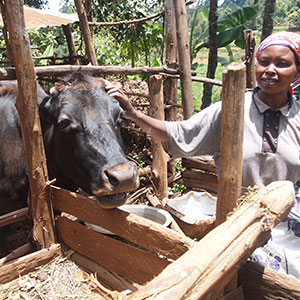
Poverty, war, and natural disasters are some of the challenges that countries like South Sudan, Bolivia, Thailand, El Salvador and the Philippines face when it comes to sustainable access to food. While countries such as El Salvador use 70% of their land for agricultural production, much of the population still go hungry – especially those living in rural areas, who have even less access to food. Maintaining livestock is an empowering and dignifying means to strengthen families and entire communities.
How will your raised funds be used?
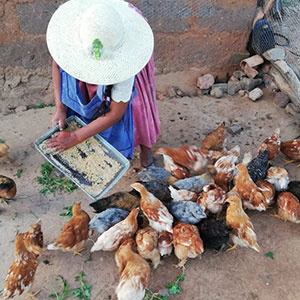
Funds raised will help provide livestock for a family or community. Animals like hens, pigs or cows can provide milk, eggs, and protein to not only feed families but be used as a source of income to help pay for school fees, medication or other essentials. Your financial support is an empowering and dignifying form of support for the most vulnerable.
What’s being done to help?
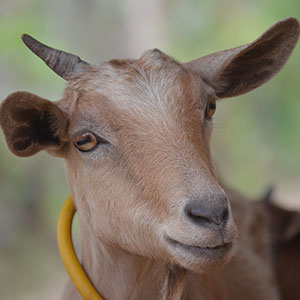
By partnering with the local church, CBM is able to help vulnerable families by providing animals through projects like the Livestock for Widows Project in South Sudan. As animals multiply and produce valuable products for the soil and for food, they become a source of income to pay for essentials like education and personal care items.
Animals Providing Hope
Mary is a 46-year-old widow with three children, from the Khorfulus area in Pigi County, Jonglei State in South Sudan. This is a region that experienced poverty as a result of war, causing many people to be displaced from their homes during the war, losing all their possessions and property. Some people like Mary and her children have returned in order to try and make a life back home. Having lost everything, including her husband, Mary was overwhelmed by the need to feed her family as a single parent.
Through the Livestock for Widows Project by the local church, Faith Evangelical Baptist, Mary found the hope she needed. She was one of twenty widows who received a cow, which provided milk for her family and income by selling the excess milk so she could provide for her family’s needs. Mary says,
“I will take care of the cow and its calves so that several years later I will have about five cows. I also look forward to using the money from milk sales to begin farming. Thank you for providing me with this cow; I couldn't afford it on my own.”
